Introduction
In many homes, controlling heat, glare, and UV exposure is essential for comfort and preserving furnishings. Home window tint is a practical upgrade that can reduce cooling costs and improve privacy without sacrificing daylight. This guide explains what window tint is, how it works, the main film options, legal considerations, and steps to choose a reputable installer who can deliver on EEAT standards.
What is home window tint?
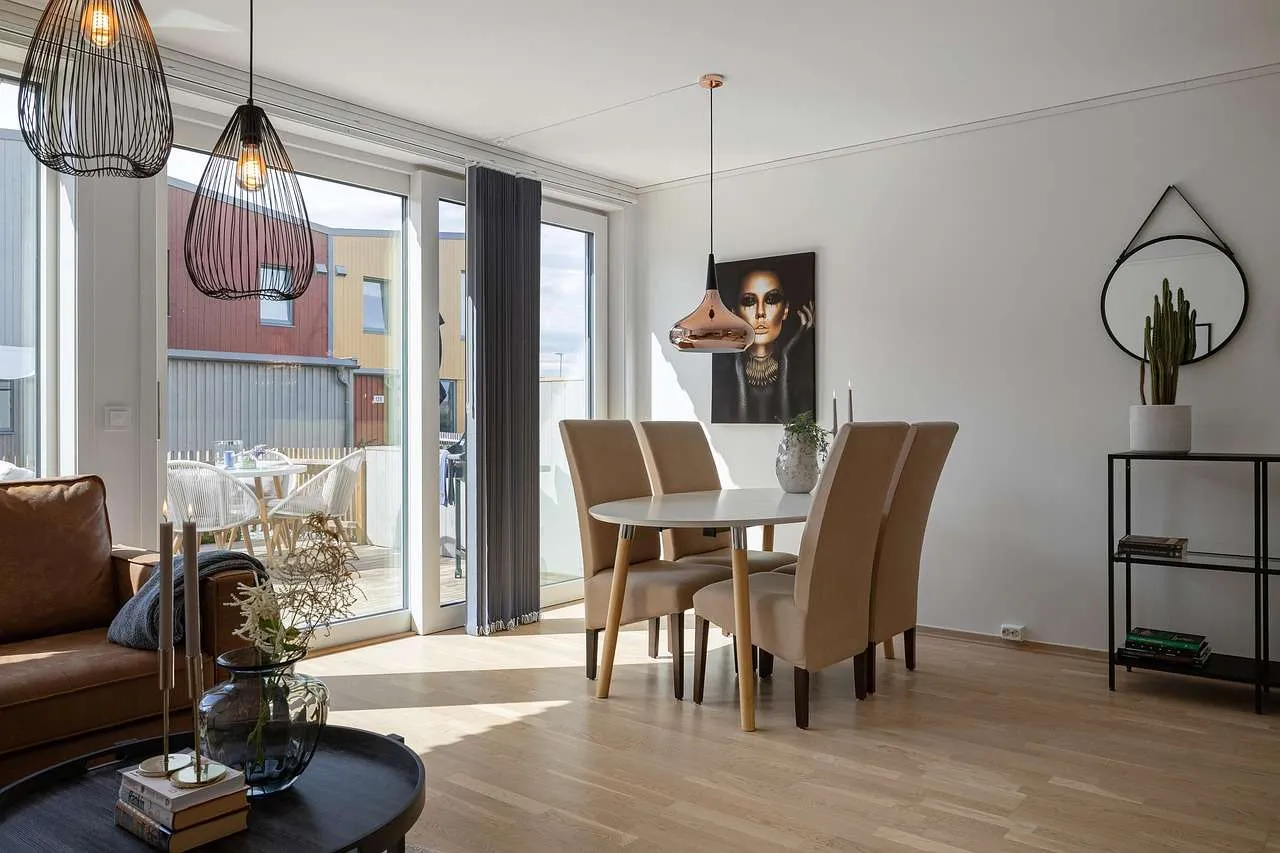
Home window tint refers to a thin film applied to the interior surface of glass to filter sunlight. The film uses dyes, metals, or ceramic particles to reduce solar heat gain, glare, and UV exposure. It is commonly installed on living rooms, bedrooms, and sunrooms where heat buildup or glare are most problematic.
Benefits of home window tint
- Heat reduction: lowers cooling demand in warm climates and during summer months.
- UV protection: blocks up to 99% of ultraviolet rays, helping preserve furnishings and flooring.
- Glare control: enhances comfort for screens, televisions, and reading areas.
- Privacy: adds daytime privacy without full blackout.
- Energy efficiency: reduces overall energy use by limiting heat transfer through glass.
How window tint works
Window tint works by filtering sunlight as it passes through glass. Some films reflect infrared heat, others absorb it, while ceramic and nano-ceramic films provide high heat rejection with minimal color change. The Visible Light Transmission (VLT) percentage determines how much light remains visible after tinting. High-quality films maintain clarity while reducing heat and glare. Non-metallic options are preferred when you need to avoid interference with electronics or vehicle signals that might be affected by metalized films.
Types of residential window tint
Ceramic tint
Ceramic films use advanced ceramic particles to block heat and UV light without adding metal. They offer excellent heat rejection, preserve interior lighting, and do not interfere with radio or Wi-Fi signals. This makes ceramic tint a popular choice for living rooms and home offices.
Dyed and metalized tint
Dyed films are cost-effective and reduce glare and heat, but they can fade over time. Metalized films provide strong heat rejection and are highly durable, yet they may cause slight reflectivity and can interfere with electronics or GPS signals in some installations. These options are often chosen for budget-conscious projects.
Nano-ceramic and advanced films
Nano-ceramic and other advanced films blend ceramic materials with modern technology to deliver high heat rejection, excellent UV protection, and superior clarity. They are typically more expensive but offer the best balance of performance and visible light in demanding climates.
Legal considerations and guidelines
Tint laws vary by location, especially for front windows and windshields. Many jurisdictions restrict the minimum visible light transmission (VLT) on driver-side windows and require compliance with reflectivity and tint color guidelines. A licensed installer can help you choose a film that meets local requirements and can provide documentation of compliance. Always check with local authorities or a trusted tint professional before purchase to avoid fines or re-tinting costs later.
Energy savings and UV protection
Quality home window tint reduces solar heat gain, which can lower air conditioning usage and improve overall comfort. UV rejection protects carpets, curtains, and furniture from fading. The amount of energy saved depends on climate, window orientation, and film type. Ceramic and nano-ceramic films typically offer the best combination of heat rejection and light transmission, preserving daylight while cutting heat.
Installation options: DIY vs professional
DIY tint kits exist, but professional installation is generally recommended for homes. A pro can assess glass type, frame condition, and local laws, ensuring proper edge sealing, bubble-free application, and a clean finish. Professional installers typically measure and document VLT, heat rejection, UV protection, and warranty terms, which can protect your investment over time.
Maintenance and warranties
To maintain film quality, clean with non-ammonia cleaners and a soft cloth to avoid scratches. Avoid abrasive materials. Most reputable films carry warranties ranging from 5 to 15 years, depending on product quality and installation. A trustworthy installer will provide written warranty details and care recommendations, giving you confidence in the investment.
Cost overview
Costs vary by film type, window size, number of layers, and labor. Typical residential tint projects range from $5 to $12 per square foot, with ceramic and nano-ceramic options at the higher end due to performance and durability. Regional labor rates and window complexity (arcs, multiple panes, or retrofit installations) can also influence price. When budgeting, consider long-term energy savings and the value of UV protection for furnishings.
Choosing a reputable installer
Look for licensed, insured professionals with local references and product certifications. Ask about warranty terms, the installation process, and post-install support. Request a written quote that includes film type, shade (VLT), heat rejection, UV protection, and warranty details. Reading customer reviews and verifying work samples helps ensure a reliable, EEAT-compliant choice.
Comparison of tint types
| Type | Heat Rejection | UV Rejection | Visibility | Price | Pros/Cons |
|---|---|---|---|---|---|
| Ceramic | Excellent | Excellent | Clear to lightly tinted | High | Best all-around performance; non-metallic; no signal interference |
| Dyed | Moderate | Good | Noticeable tint | Low | Budget-friendly; fades over time; less durable |
| Metalized | High | Excellent | Shaded; may reflect glare | Medium | Strong heat rejection; potential electronics interference |
| Nano-ceramic | Very high | Excellent | Excellent clarity | Medium-High | Premium performance and clarity |
Conclusion
Conclusion, home window tint offers comfort, protection, and energy efficiency when chosen and installed correctly. Work with a licensed installer, select a film that matches your climate and light needs, comply with local laws, and review warranty terms to maximize value and ensure a durable finish.