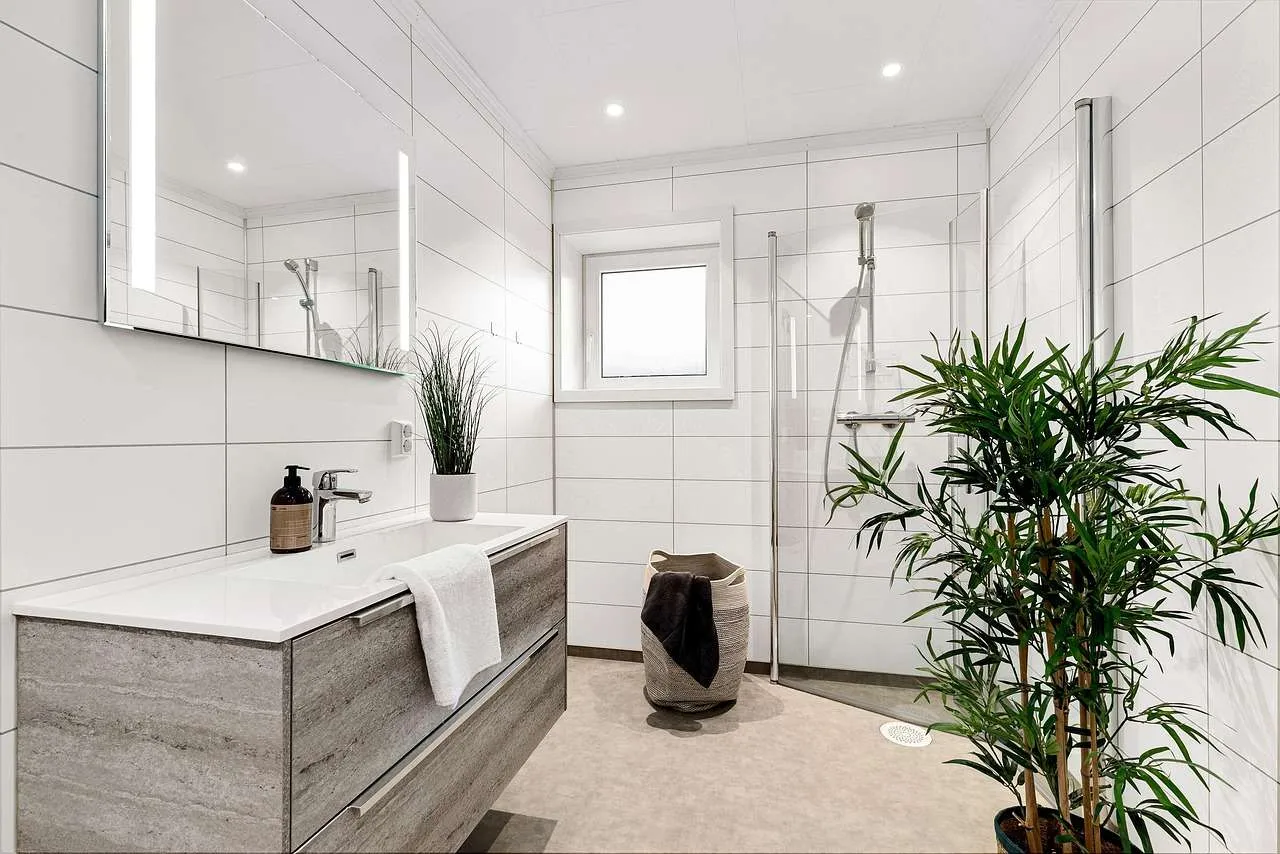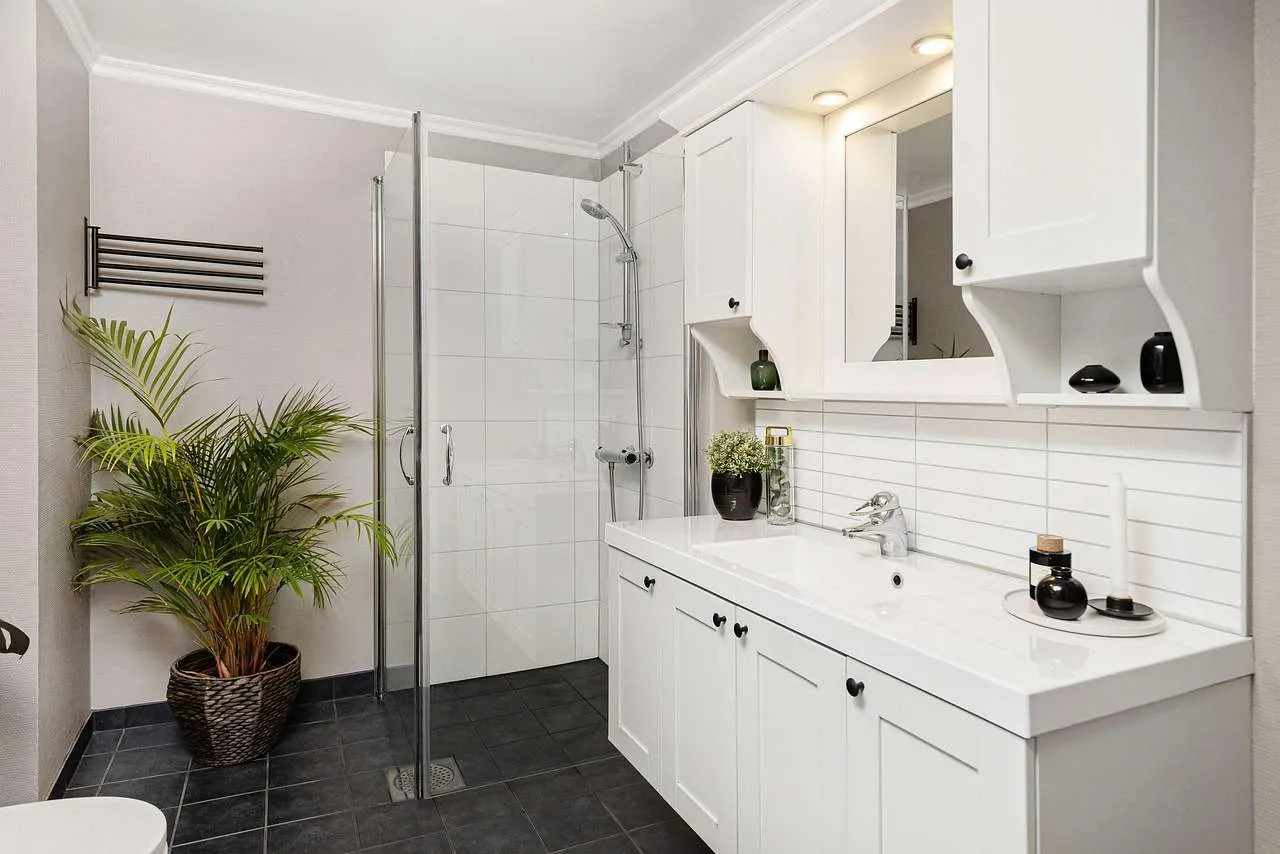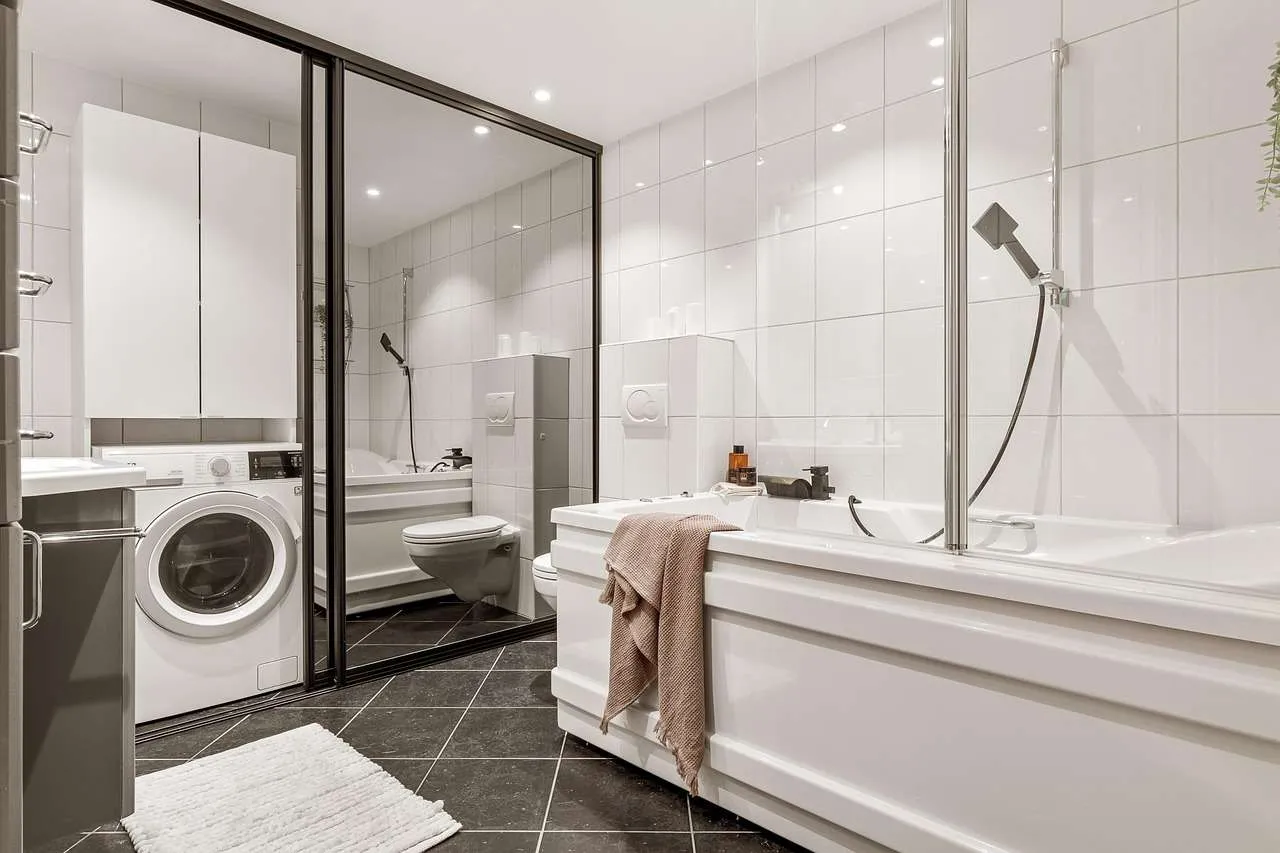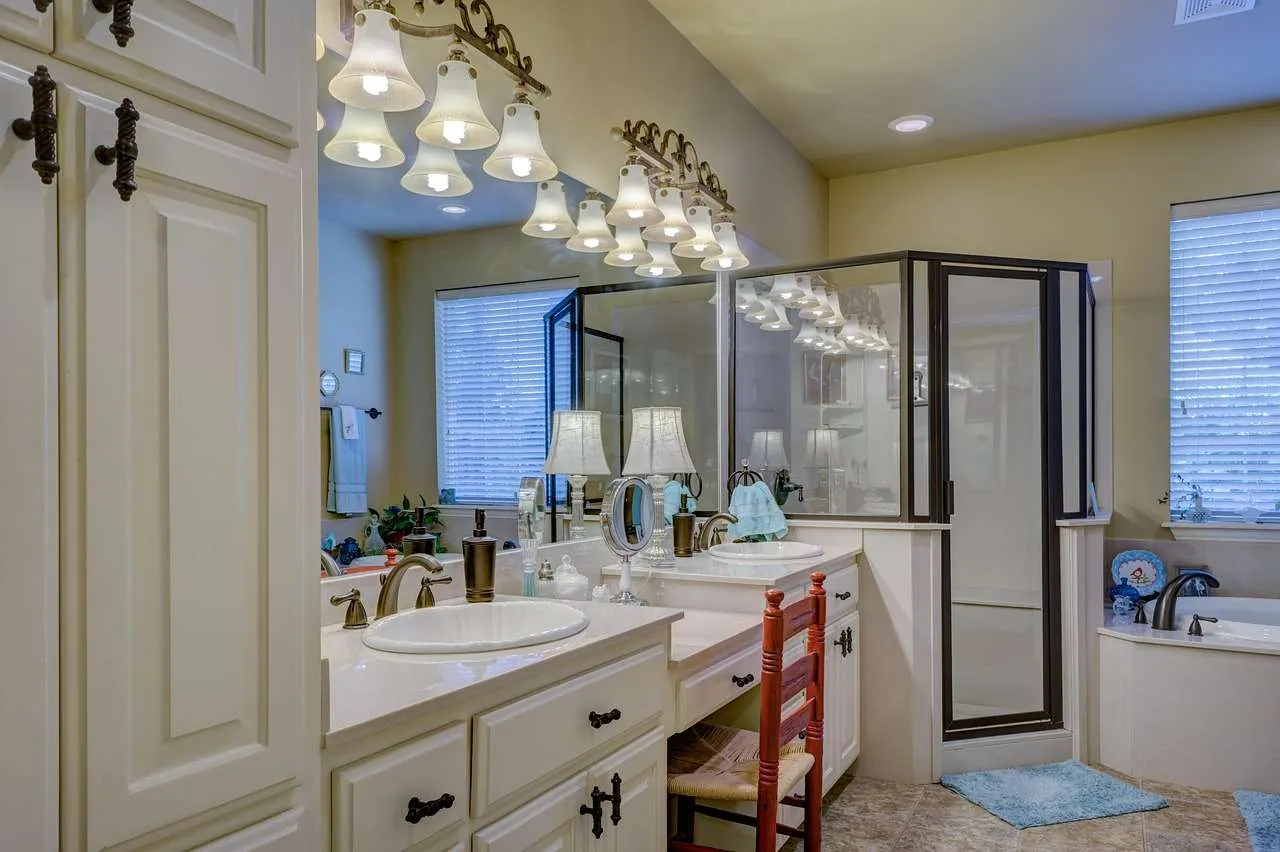
As a seasoned bathroom design and renovation professional with ten years of experience, I understand how a well-chosen bathroom tile can transform space, durability, and style while boosting home value.
Understanding bathroom tile options
Tile choices fall into several broad categories: ceramic, porcelain, natural stone, glass, and specialty formats like subway or mosaic sheets. Each type has distinctive characteristics in water resistance, maintenance, and price.
Ceramic vs porcelain
Ceramic tiles are affordable and versatile, often used on walls and light-traffic floors. Porcelain tiles are denser, less porous, and favored in showers and heavy-use floors due to their water resistance and durability.
Natural stone considerations
Stone tiles such as marble, travertine, or slate offer natural beauty but typically require more maintenance and sealing. These tiles can be stunning in bathrooms but may cost more and show wear differently.
Design and layout considerations
Tile size and pattern influence perceived space. Large-format tiles can make small bathrooms feel bigger, while smaller mosaics add texture and grip for showers. Color and grout choices affect both style and cleanliness.
Grout and sealing
Grout color can either blend with the tile or create a visual contrast. Sealing is essential for natural stone and some cementitious grouts to slow staining and water absorption.
Installation basics and best practices
A proper installation starts with a prepared substrate, a waterproofing membrane in wet zones, and a level substrate. Professionals use appropriate adhesives and correct curing times to prevent cracking and mold.
DIY vs professional installation
While some experienced homeowners can handle simple tiling projects, bathrooms require waterproofing and precise leveling. Hiring a licensed tile installer reduces risk and ensures lasting performance.
Maintenance and care
Routine cleaning with mild, non-abrasive products preserves color and shine. For natural stone, follow sealing schedules and avoid acidic cleaners that can etch the surface. Grout lines benefit from periodic sealing and deep cleaning to prevent mildew.
Cost, value, and planning
Tile costs include material, underlayment, waterproofing, and labor. Average bathroom tile costs range widely by material and region. Budget for a slightly higher investment to ensure a durable, water-resistant bathroom space.
Comparison at a glance
| Tile Type | Pros | Cons | Avg. cost per sq ft | Maintenance |
|---|---|---|---|---|
| Ceramic | Affordable, versatile | Less durable on floors | 1-3 | Low |
| Porcelain | Durable, water-resistant | Higher cost | 3-7 | Low |
| Natural Stone | Premium look | Sealing needed, variable hardness | 5-20 | Medium |
| Glass | Reflective, modern | Water spots, slip risk if floor | 4-12 | Moderate |
Expert tips from a pro
- Measure accurately for snug tile fits and proper grout lines.
- Choose a grout width that accommodates expansion and contraction.
- Test a small area for slip resistance in wet zones.
- Work with a design plan that considers lighting and texture mix.
Conclusion
Summary: A thoughtful approach to bathroom tile selection—balancing material properties, design goals, and professional installation—ensures a durable, stylish, and easy-to-maintain bathroom. By understanding tile types, layout options, maintenance, and costs, homeowners can achieve a space that lasts and feels timeless.