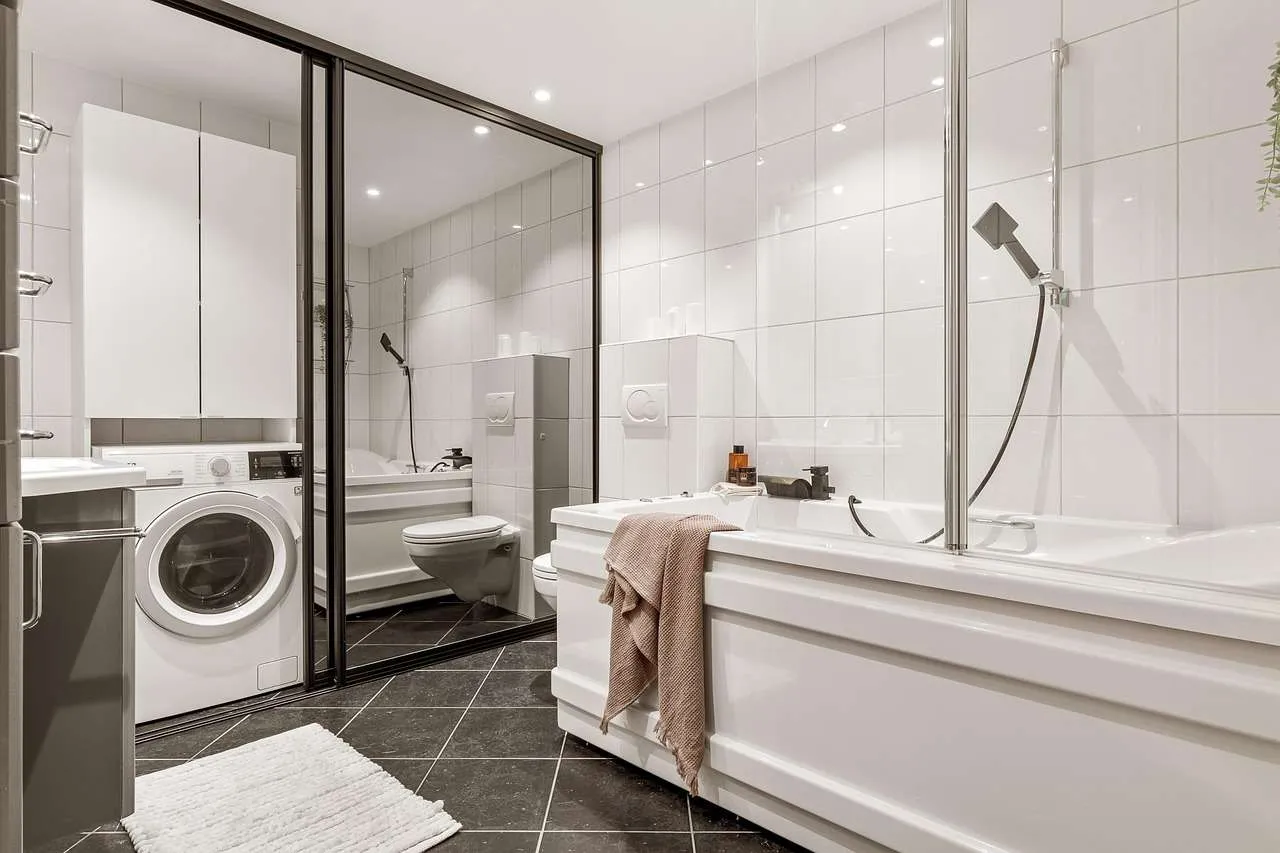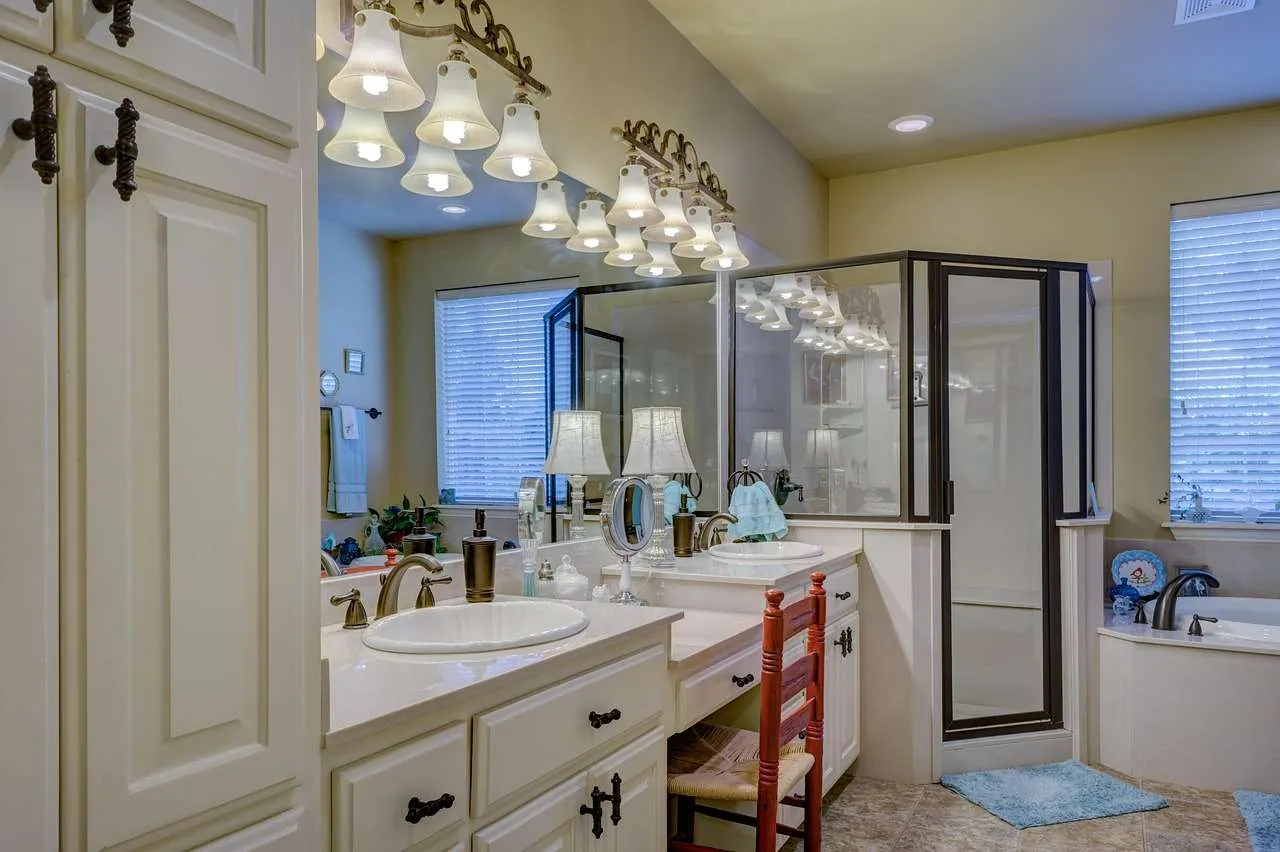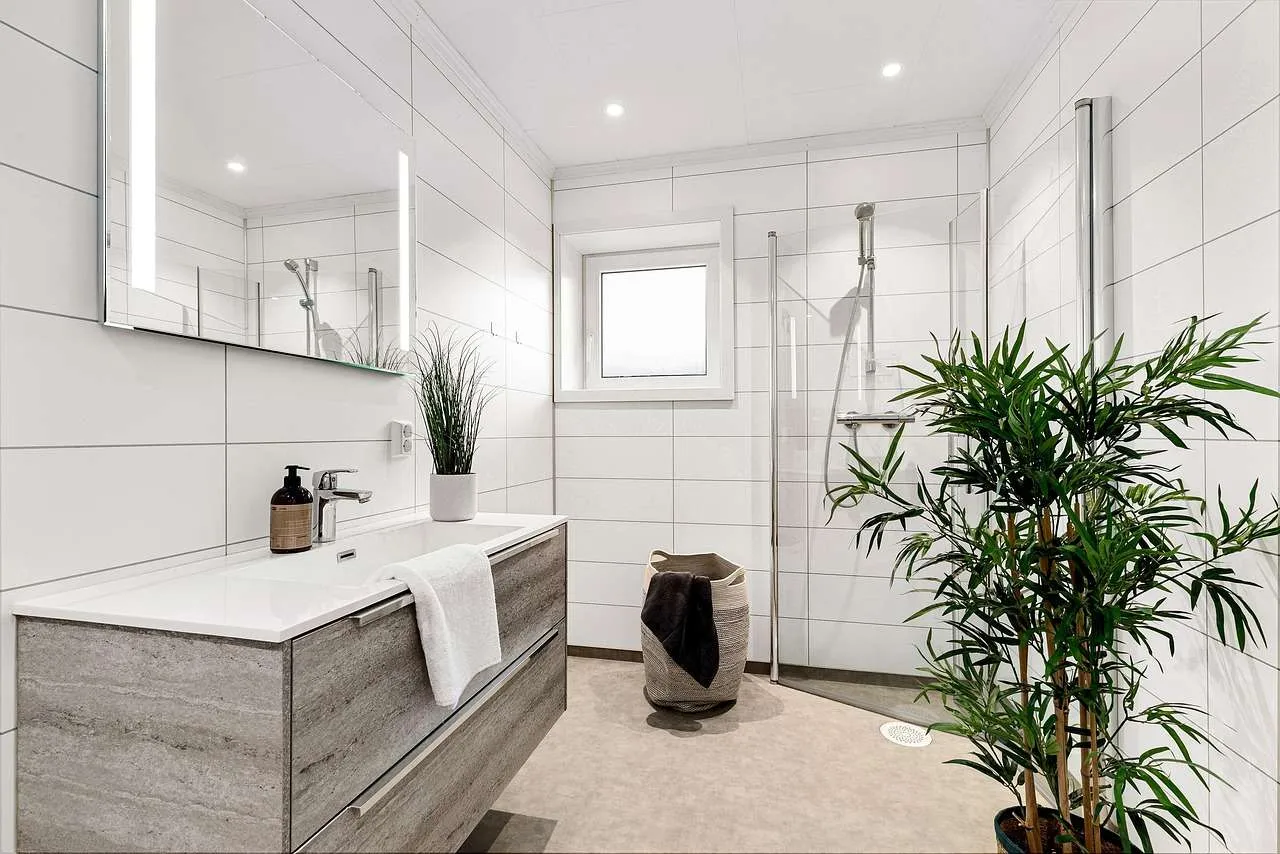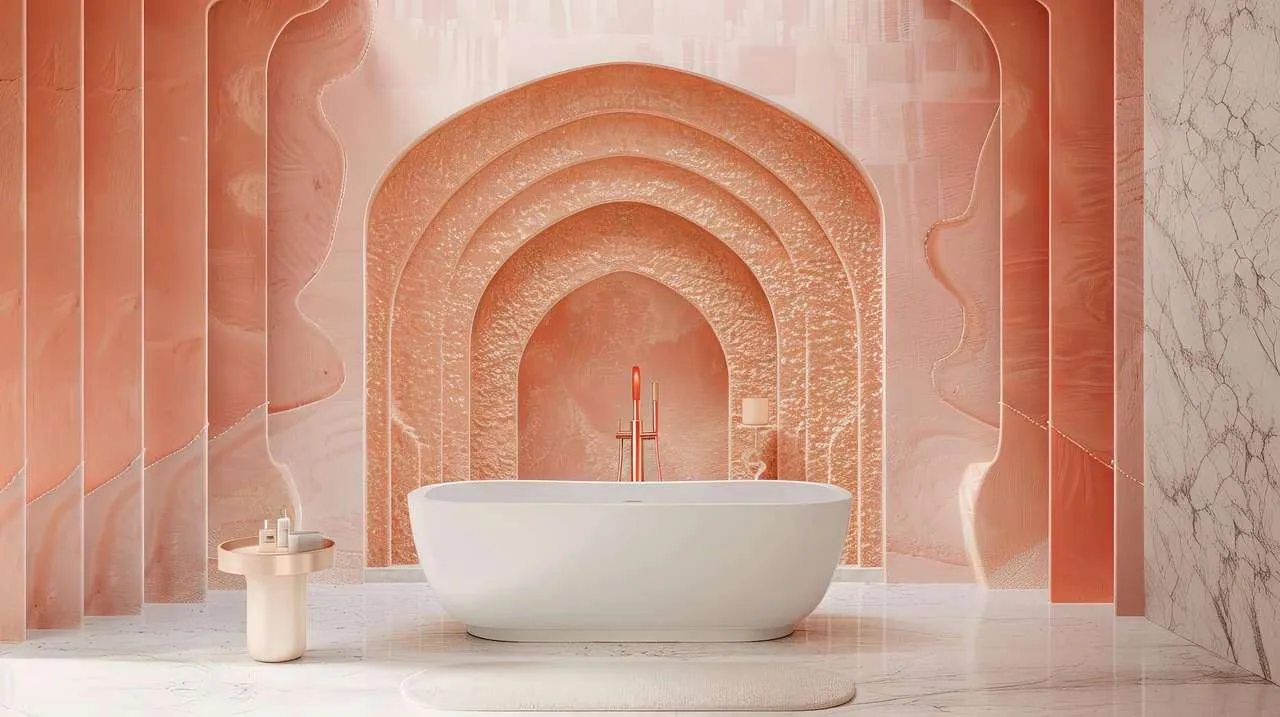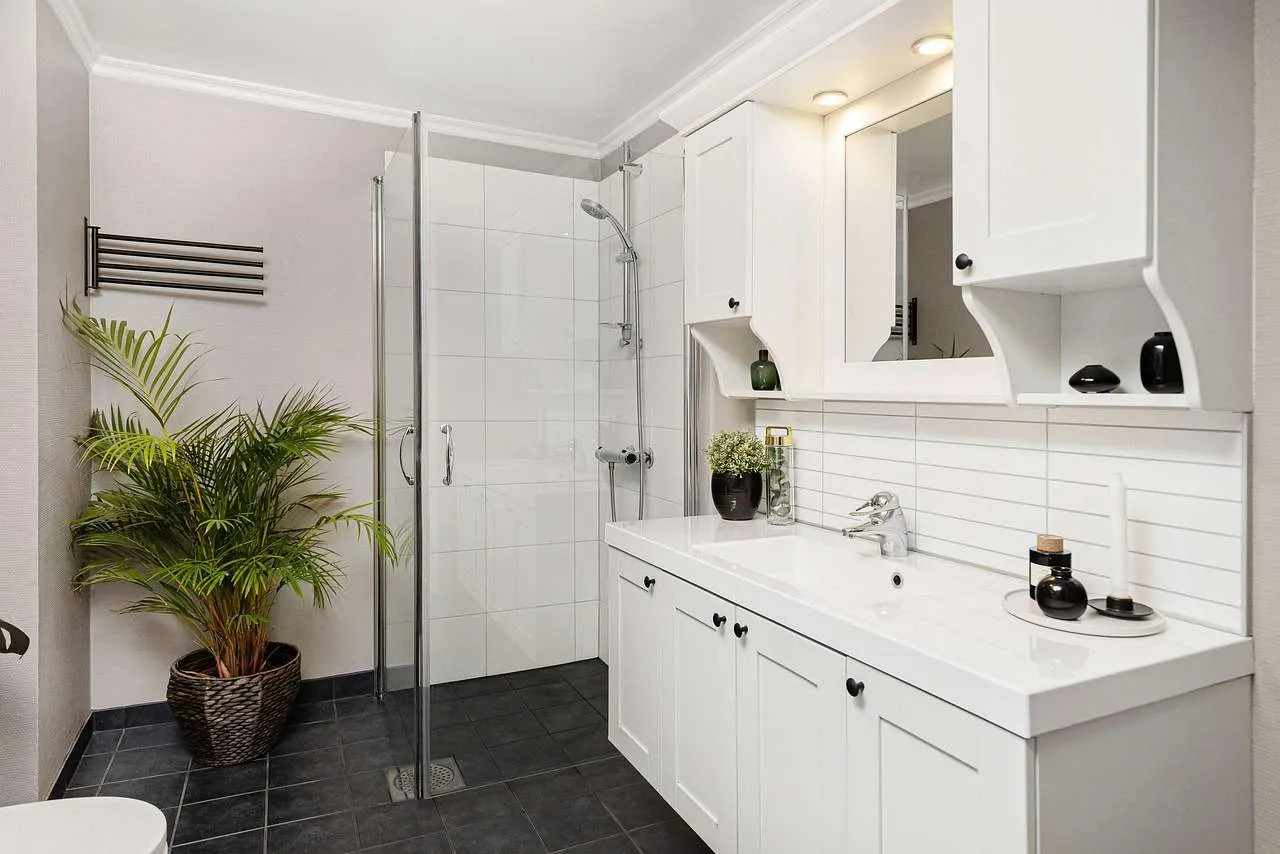
Choosing bathroom tiles is a decision that blends aesthetics, practicality, and long-term value. The right tiles enhance light, define space, and resist moisture when installed with proper preparation. In this guide, a decade of experience in home improvement content informs practical choices, from material options to maintenance routines, helping homeowners and designers make informed decisions.
Choosing the Right Bathroom Tiles
Material choice sets the foundation for durability and upkeep. Here are commonly recommended options for different spaces and budgets:
Ceramic tiles
Ceramic tiles are cost-effective, versatile, and easy to cut for tight spaces. They work well on walls and low- to moderate-traffic floors when paired with a durable glaze. For bathrooms, opt for glazed ceramic to improve water resistance. Maintenance is straightforward with regular cleaning and occasional resealing of grout lines in damp areas.
Porcelain tiles
Porcelain is a denser, more water-resistant option than standard ceramic. It often has a lower water absorption rate, which makes it suitable for shower enclosures and bathroom floors. Porcelain tiles come in a wide range of finishes, including matte and polished looks. While typically more expensive than ceramic, their longevity and low maintenance can provide long-term value.
Natural stone
Natural stone such as marble, travertine, or slate offers a premium, timeless look. Stones must be sealed to resist moisture and staining, and some varieties are more porous than others. Regular resealing and proper sealing before installation are essential. Stone surfaces require mindful maintenance to preserve color and texture over time.
Glass tiles
Glass tiles reflect light and create a sense of space, making them popular for shower backsplashes and accent walls. They are easy to clean but can be slippery when used on floors and may show soap scum or water spots. Pair glass with non-slip floor tiles and ensure proper grout sealing for longevity.
Metal and cement tiles
Metal accents or cement tiles add a contemporary or industrial feel. Cement tiles are highly customizable but can be porous and require sealing and regular maintenance to prevent moisture damage. Metal tiles are often used as trims or decorative panels, adding contrast without sacrificing performance in damp areas.
Tile Sizes, Patterns, and Layouts
Tile size and layout influence how space feels and how easy it is to maintain. Large-format tiles reduce grout lines and can create a seamless look, while small-format or mosaic tiles offer grip and intricate patterns for design flair. Popular patterns include straight lay, herringbone, chevron, and basket weave. Always plan for expansion gaps around fixtures, and choose grout colors that minimize staining and make cleaning easier.
Durability, Maintenance, and Safety
Durability depends on tile type, finish, and proper installation. Maintenance routines differ by material: sealers for porous surfaces, routine cleaning with pH-balanced products, and periodic grout sealing where applicable. Safety is critical in wet areas; always prioritize slip resistance on floors and use textured or matte finishes to reduce the risk of falls. Regular cleaning prevents soap scum and mineral buildup that can dull appearance and radiance.
Installation Considerations
Professional installation is strongly recommended in wet zones to ensure waterproofing and long-term performance. Key steps include substrate preparation, installation of a waterproof membrane, proper tile spacing, and backer board installation. For DIY enthusiasts, start with a small area, practice precise spacing, and use spacer tools to maintain uniform joints. Consider anti-fracture membranes over wooden subfloors to minimize crack transmission and extend tile life.
Cost, Budget, and Value
Budgeting for bathroom tiles involves material price, underlayment, mortar, grout, waterproofing, and labor. Ceramic tiles offer the best value for most bathrooms, with porcelain delivering superior performance in high-moisture zones. Natural stone elevates luxury and resale value but requires more maintenance. Build in a contingency for sealing and professional installation, and weigh long-term durability against upfront costs.
Comparison of Tile Types
| Tile Type | Durability | Maintenance | Approx. Cost | Slip Resistance | Best For |
|---|---|---|---|---|---|
| Ceramic | Moderate | Low to moderate grout care; easy to clean | Low to mid | Moderate | Walls, low-traffic floors |
| Porcelain | High | Low; resistant to staining and moisture | Mid | High (varies by finish) | Floors, showers, damp rooms |
| Natural Stone | Medium–High (varies by type) | High; sealing required | High | Variable; texture depends on finish | Luxury bathrooms, feature walls |
| Glass | Medium | Medium; streaks may appear without cleaning | High | Low to Moderate | Accents, backsplashes, showers |
| Cement | Medium | Medium; sealing required | Mid | High (matte options) | Modern bathrooms, feature floors |
Practical Design Tips
- Use lighter tiles to brighten small bathrooms and reflect more light.- Combine large-format floor tiles with smaller wall tiles for a balanced look.- Choose a grout color that resists staining and is easier to clean; unsanded grout is common on smaller joints and walls, while sanded grout suits larger joints on floors.
- For wet zones, install a quality waterproof membrane behind tiles and ensure proper sealing around corners and fixtures.
- Consider slip-resistant textures for bathroom floors and matte finishes to minimize glare on walls in bright bathrooms.
- Plan maintenance in your budget: sealing porous stone or cement tiles and resealing grout periodically will extend tile life and keep spaces looking fresh.
Conclusion and Next Steps
Conclusion, selecting bathroom tiles involves balancing material performance, aesthetic goals, and budget. Ceramic and porcelain tiles provide reliable value and performance for most bathrooms, while natural stone and glass offer distinctive looks with higher maintenance. A thoughtful layout, appropriate waterproofing, and professional installation ensure long-term durability and safety. By evaluating durability, maintenance, cost, and design impact, you can create a bathroom that remains beautiful and functional for years to come.